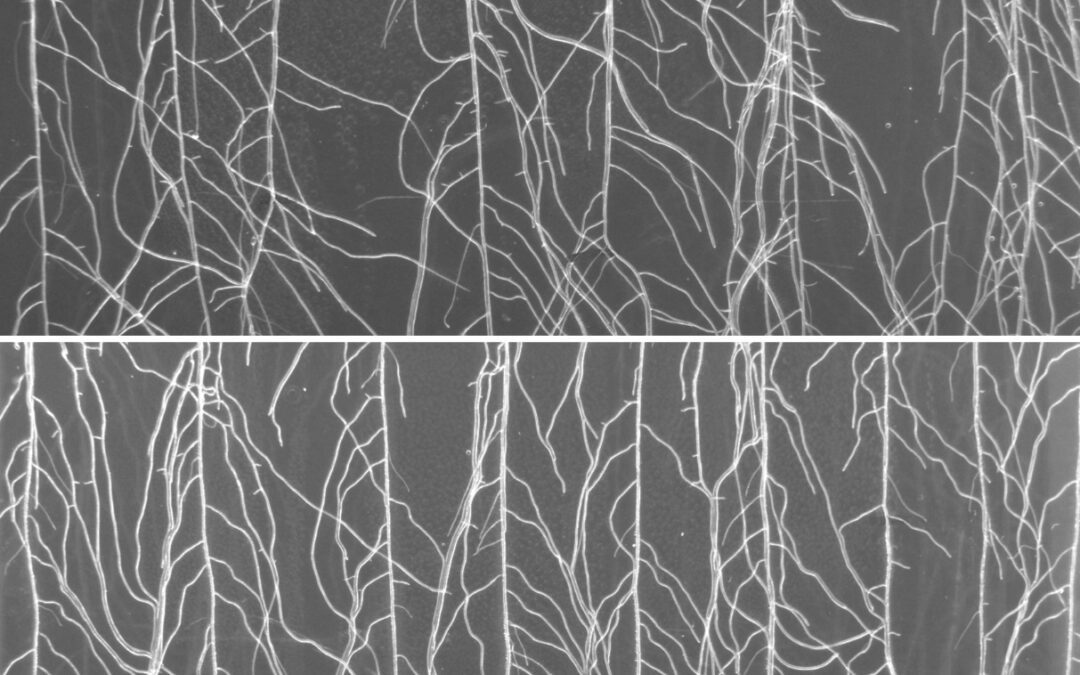
A Paradigm Shift in the Application of Bioinputs The extensive use of chemical fertilisers and pesticides has facilitated the expansion of agricultural practices as a solution to global food supply. However, their excessive and prolonged application has led to...
Striving For Net-Zero Through Wastewater Treatment Wastewater comes from water used in the home, in businesses and factories and from rain falling of roofs or the roads and pavements. It has up to 10 times more energy inside of it that the energy used to treat and...
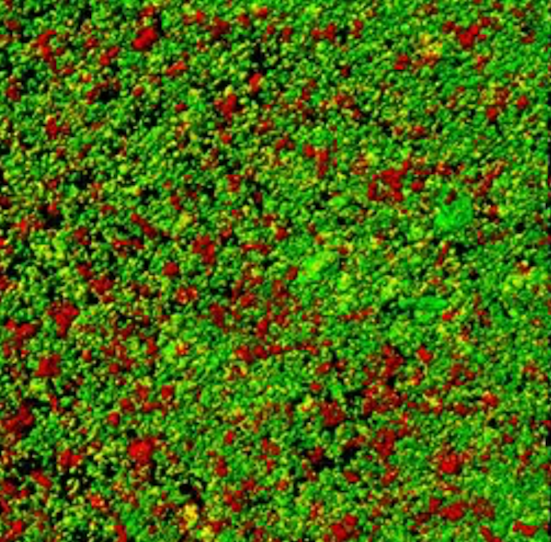
Breaking Biofilm AMR Biofilms are a major cause of antimicrobial resistance (AMR) and are recognised as a key factor in the inability of antibiotics (and other antibacterial agents) to treat many types of chronic, recurring infections e.g., diabetic foot ulcers and...
Exploring Novel Anti-biofilm Technology Use in New Areas In early 2020 Dr Paolo Pantalone was an NBIC Associate Doctoral Researcher at the University of Nottingham and had been working in association with Unilever on elucidating the mechanism of action of novel agents...
New Generation Coatings with Intrinsic Antimicrobial Action An NBIC funded Proof of Concept project led by the University of Liverpool, in partnership with Gencoa Ltd, focused on development on anti-microbial technology using magnetron sputtering technology. The...
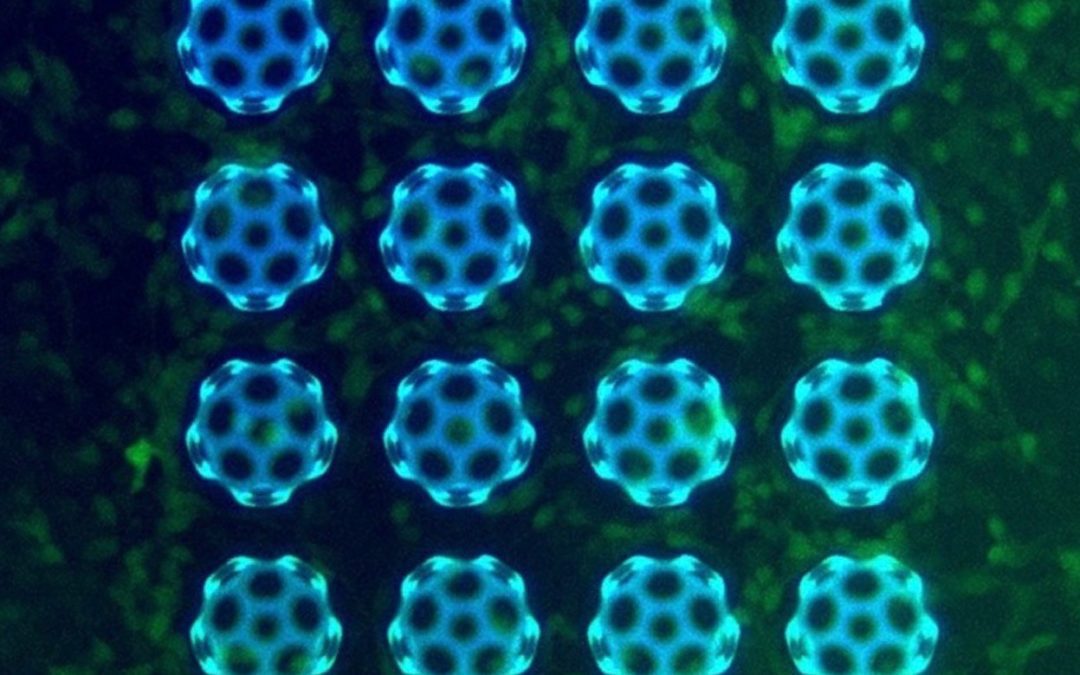
Establishing a Biofabrication Centre In 2018, the University of Nottingham identified additive biofabrication as a priority research area and established an Interdisciplinary Research Cluster (IRC) in Additive Biofabrication, led by Professors Ricky Wildman and...